I spent over a decade editing health content, and if there is one thing I’ve learned, it’s that the shorter the search, the higher the risk. We live in an era of "micro-search behavior." You feel a weird ache, you’re tired at 2:00 PM, or you want droidkit.org to know if CBD is right for your anxiety—and you reach for your phone before you’ve even put down your coffee.
We’ve been trained to expect instant answers. But when it comes to health, "instant" often trades accuracy for engagement. We are currently being flooded with AI personalized health insights, but as someone who has spent years testing these tools on a mobile screen, I have to ask: are these recommendations actually clinical, or are they just highly polished guesses?
The Rise of the Micro-Search: Why We Trust the Algorithm
Most of us don't go to a medical journal to look up a health query. We go to TikTok, YouTube, or Google. These platforms utilize algorithm-based reminders and "For You" feeds to keep us scrolling. The problem is that these algorithms aren't designed to prioritize clinical truth; they are designed to prioritize engagement.
When you use an AI symptom-checker or an automated wellness app, you are engaging with a model that lacks two fundamental components of healthcare: clinical history and professional accountability. It doesn’t know about your genetic predisposition, your current medications, or that weird allergic reaction you had to a supplement in 2019.
My current "watch list" of misleading wellness buzzwords—words that usually signal you’re about to be sold a dream rather than a fact—includes:
- "Bio-hacking": Usually just rebranded habit-building. "Detoxifying": Your liver and kidneys are already doing this for free. "Optimizing": A vague term used to justify expensive, unnecessary testing. "Clean": A marketing term with no standardized medical definition.
Cannabinoid Education Goes Mainstream
One of the most rapidly shifting areas of wellness is cannabinoid education. Five years ago, this was a fringe topic. Today, it’s everywhere. However, the quality of information varies wildly. On one side, you have peer-reviewed, clinic-backed platforms like Releaf—the UK’s most reviewed cannabis clinic—which provides structured, professional guidance. On the other, you have influencers on TikTok promising that specific strains will "cure" complex conditions.
When searching on your phone, readability matters. Large blocks of text are a nightmare on a 6-inch screen, which is why many apps break health info into bite-sized "nuggets." But there is a danger here: the limits of wellness AI are most apparent when nuanced medical advice is stripped down for mobile-friendly consumption. Complex topics like cannabinoid interactions require a clinician's oversight, not just an AI’s summary.

AI vs. Human Clinicians: A Reality Check
It’s tempting to trust an AI chatbot that sounds empathetic and authoritative. But remember: an AI doesn't have a license to lose, and it doesn't have a malpractice insurance policy. If an AI gives you a bad recommendation, there is no one to hold accountable.
Feature AI Wellness Tools Human Clinician/Review Context Predicts based on training data Considers full medical history Empathy Simulated Actual lived human experience Accountability None (Disclaimer heavy) Ethical and legal responsibility Speed Instant Requires appointments/wait timesWhy Education Access Matters
Sites like Healthline have set a standard by providing medically reviewed content. Even then, as an editor, I know the drill: the medical review is often the first thing people skip to get to the "what to do" section. On mobile, we tend to skim. We ignore the disclaimers buried at the bottom of the page.
If you are using an app that offers AI personalized health insights, look for these three markers of legitimacy before you trust the advice:
The "Human in the Loop" requirement: Does the app require a real person to review your specific profile before giving a medical recommendation? Transparent Data Sourcing: Does the AI cite actual peer-reviewed studies, or does it say "research shows" without linking to the study? Clear Disclaimers: If you have to dig through five menus to find the "this is not medical advice" disclaimer, the company is likely hiding its liability.The Danger of Overpromising AI
The tech industry is currently obsessed with "AI-first" health. Every app claims to "solve" your wellness journey. But health is not a software bug; it is a biological, evolving reality. When an algorithm gives you a push notification—an algorithm-based reminder—to take a specific supplement or change your diet, ask yourself: *Why* is it suggesting this now?
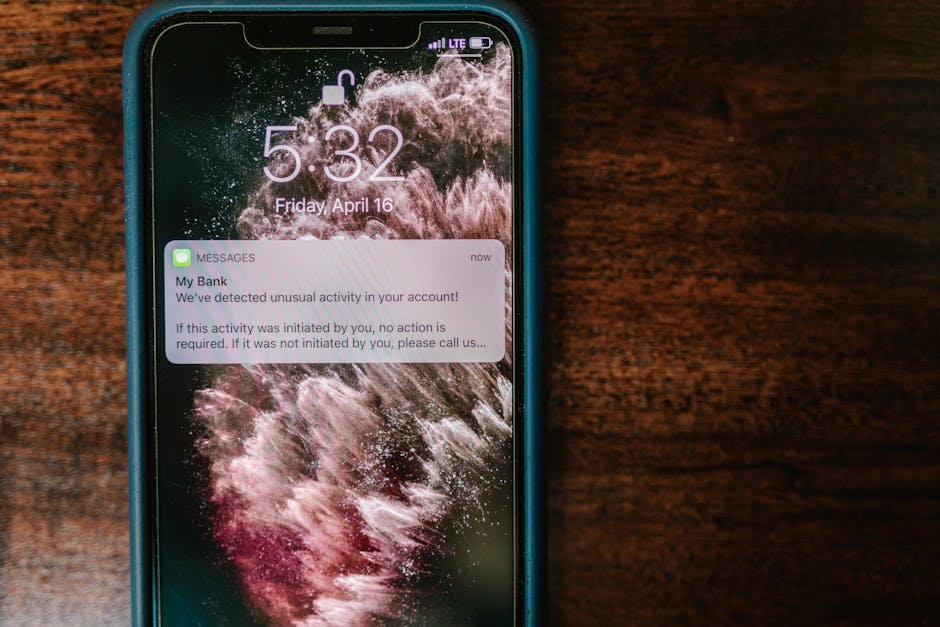
Is it because you actually need it, or because the data says you are most likely to click "buy" at this time of day? Wellness is becoming a funnel, and AI is the lubricant that pushes you through it.
Final Thoughts: Stay Skeptical
I still use my phone for health research. I look at symptom checkers and wellness apps daily to see how the UX is evolving. But I treat them as information *starters*, not information *enders*. Use AI to get the lay of the land, but never treat it as a final diagnosis.
If you find yourself relying heavily on an app for health decisions, take a screenshot, show it to your primary care provider at your next visit, and ask: "Is this legit?" You might be surprised by how often they tell you it’s just a guess.
Editor’s Note: This content is for informational purposes only and does not constitute medical advice, diagnosis, or treatment. Always seek the advice of your physician or other qualified health provider with any questions you may have regarding a medical condition. Do not disregard professional medical advice or delay in seeking it because of something you have read online.