I’ve spent eleven years working in the belly of the NHS and the private healthtech sector. I’ve seen enough "digital transformation" projects to know that there is a massive difference between a clinic that uses a video-call app and a clinic that actually delivers long-term care.
When you start researching medical cannabis in the UK, the marketing is glossy. It’s full of promises about "wellness journeys" and "tailored treatment plans." But if you strip away the branding, you’re left with a core question: Does this clinic actually manage your ongoing care, or are you just buying a script from a glorified, expensive vending machine?
Long-term patient support isn’t a nice-to-have. In a medical cannabis context, it is a clinical requirement. If you aren't being monitored for titration effectiveness, side effects, and long-term outcomes, you aren't receiving healthcare. You’re just participating in a transaction.
The "Digital-First" Illusion
Many clinics describe themselves as "digital-first." This is often code for "we don't have a physical waiting room." That’s fine, but true digital-first healthcare is about integration, not just convenience. It’s about how your data flows from your wearable health tracking devices into the clinic’s portal, and how that data influences your next clinical review.
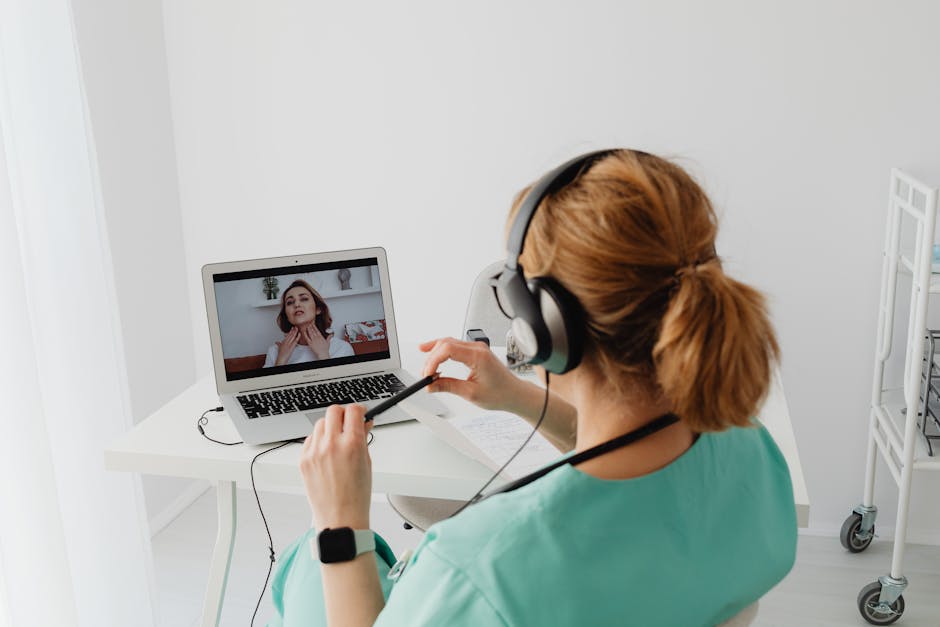
If a clinic’s "long-term support" model is just a quarterly phone call, they aren't using the technology available to them. You should be looking for clinics that provide:
- Asynchronous messaging: The ability to message your care team between appointments without paying for a consultation. Digital symptom tracking: Integrated apps that allow you to log your daily medication use and mood, which the doctor then reviews before your next appointment. Wearable integration: Systems that securely pull data from devices (like sleep trackers or heart-rate monitors) to assess how cannabis is impacting your physiological symptoms over time.
Repeat Prescription Management: The Real Test
The hallmark of a poorly run clinic is a fragmented repeat prescription process. If you have to jump through hoops every month just to get your medicine, you aren't getting long-term support; you’re being treated like a first-time monthly healthcare subscription applicant every single time.
An effective repeat prescription management system should be automated, predictable, and transparent. If a clinic requires you to call a receptionist to request a script, they are living in the 1990s. Here is what you should expect from a modern, patient-focused clinic:
Portal-based ordering: You log in, verify your current prescription details, and submit a request. Automated approval loops: Your clinical notes and medication history are automatically flagged for a pharmacist or prescriber to sign off. Tracking notifications: You receive updates at every stage: request received, clinician approved, pharmacy dispensing, and parcel tracked.Pricing Transparency: Stop the "Starting From" Nonsense
Nothing grinds my gears more than "starting from" pricing. It is a lazy, deceitful way to hide the true cost of care. If a clinic isn't willing to break down their costs, they aren't confident in the value they provide. You need to see exactly what you are paying for: the consultation, the prescription administration, and the medication itself.
When evaluating a clinic’s pricing page, look for a clear table that separates clinical labor from product costs. If they refuse to provide this, walk away. Below is an example of what a transparent, honest pricing breakdown should look like on a patient dashboard.
Service Component What It Covers Pricing Clarity Initial Consultation Clinical history review and treatment plan initiation. Fixed flat rate; no hidden fees. Follow-up Review Titration adjustments and progress assessment. Fixed flat rate; booked via secure portal. Prescription Fee Administrative processing and clinical sign-off. Per-script fee; transparently listed. Medication Cost The raw cost of the cannabis product. Price per gram/mg; pharmacy-direct. Courier/Dispensing Secure shipping and packaging. Visible at checkout; flat rate or weight-based.Subscription-Based Healthcare Models
Subscription models are becoming the standard, but you need to be careful. Some clinics use a "membership" fee as a way to lock you in without providing tangible benefits. If a clinic charges a monthly subscription, demand to know exactly what that fee unlocks.
Does it include your consultations? Does it cover the prescription fees? Does it give you access to a dedicated nurse practitioner? If a subscription is just a "retainer" that doesn't actually reduce your per-visit costs, it’s just an extra tax on your treatment.
A good subscription model treats you like a patient, not a customer. It should bundle the costs of your recurring consultations and administrative fees so you aren't hit with a surprise bill every time you need your medicine adjusted.
Trust Signals: How to Spot a Clinic That Actually Cares
In the UK, the regulatory landscape is strict. A clinic should be proud to display their credentials. If you can't easily find these, it’s a red flag:

- CQC Registration: Every clinic must be registered with the Care Quality Commission. Check their registration status on the official CQC website. GMC Specialist Register: The doctors prescribing your medication should be on the General Medical Council’s specialist register. Don't be afraid to ask for the name of your consultant and check them yourself. Clear Complaint Path: If a clinic doesn't have a clear, documented complaints procedure and an ombudsman contact, they are not operating with the necessary level of accountability.
The Bottom Line: Don't Compromise on Ongoing Care
Medical cannabis is not a "quick fix" or a simple retail transaction. It is a complex medical treatment that requires fine-tuning. If you are looking for long-term patient support, you need to prioritize clinics that treat your data—and your time—with respect.
Look for the "boring" stuff. Look for the portal that logs your symptoms. Look for the transparent pricing table that doesn't hide behind "starting from." Look for the clinics that integrate your wearable health tracking data rather than ignoring it.
You have a right to hold your private clinic to the same standard you would expect from the NHS, but with the added convenience of modern digital tools. If a clinic isn't making it easier for you to track your progress and manage your repeat prescriptions efficiently, they aren't supporting you—they’re just selling you a product.
Choose the clinic that shows its work. The flashy websites are for marketing; the robust, transparent, and integrated workflows are for patients.