The wellness industry has moved well beyond the era of green juices, protein powders, and tracking steps. Over the last few years, the market has expanded into a frontier that feels increasingly complex: the world of plant-based cannabinoids. From CBD tinctures promising "calm in a bottle" to specialized oil blends marketed for sleep, the shelves—both physical and digital—are saturated with products that sit in a regulatory gray area.
If you are considering integrating cannabis oil into your health regimen, the sheer volume of information can be paralyzing. You are likely navigating a minefield of conflicting claims, from enthusiastic social media influencers to anecdotal threads in online communities that swear by the stuff as a miracle cure for everything from chronic pain to generalized anxiety. But as a health writer who spends as much time in clinical research databases as I do in the supplement aisle, I have one piece of advice: Stop looking for miracles, and start looking for data.
The Social Media Mirage vs. The Clinic Reality
We are currently living through an era of "Influencer-Style Certainty." If you search for "cannabis oil benefits" on Instagram or TikTok, you will be met with perfectly lit videos of people claiming that a single drop changed their entire physiological state. They speak with the authority of a physician, yet they lack the transparency of a clinical trial.
When you encounter these claims, ask yourself: What would this look like in a clinical setting? If a product truly addressed a clinical condition, it would require a rigorous trial, peer-reviewed data, and a clear dosage protocol. Instead, what you find online is often built on subjective experiences that are prone to the placebo effect.
Before trying cannabis oil, you must disconnect from the "miracle cure" narrative. Science suggests that cannabis-derived products—specifically CBD—may interact with the body’s endocannabinoid system (ECS), which helps regulate functions like sleep, mood, and inflammation. However, "regulation" is very different from "cure."
Ingredient Literacy: Reading Between the Marketing Lines
One of the the biggest issues in the wellness market is the lack of standardized terminology. I keep a running list of marketing buzzwords that should act as an immediate red flag: "detoxifying," "all-natural," "bio-available miracle," or "holistic reset." None of these words tell you what is actually inside that brown glass bottle.
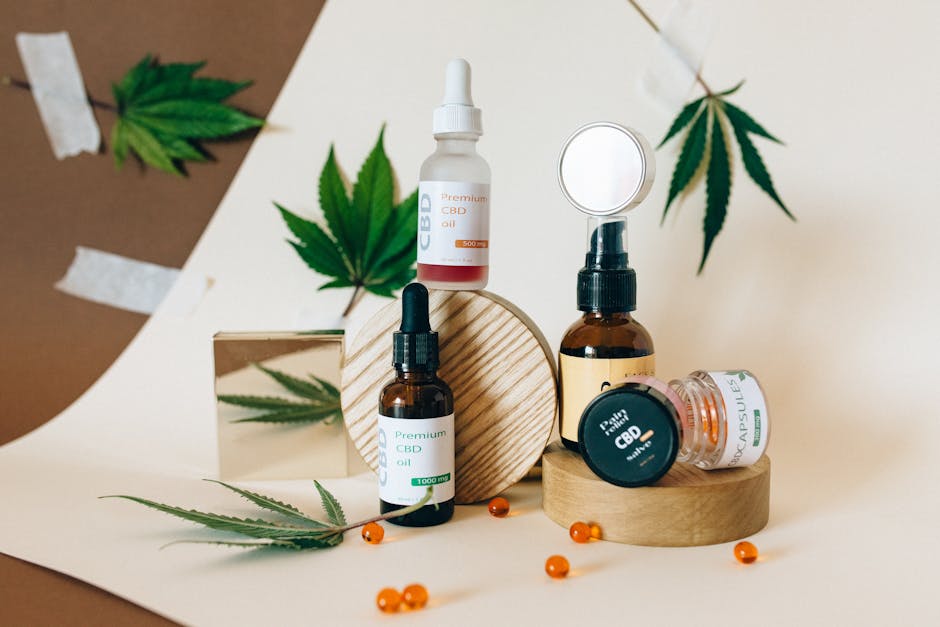
When you hold a bottle of cannabis oil, you need to be looking for a Certificate of Analysis (COA). If a brand does not provide a third-party lab result for the specific batch you are holding, you have no way of knowing if the label matches the reality.
What to Look For in a COA
- Cannabinoid Profile: Does the percentage of CBD, THC, or other minor cannabinoids match the marketing on the front label? Heavy Metals & Pesticides: Cannabis is a bio-accumulator, meaning it pulls whatever is in the soil into its fibers. You need to know the product was tested for lead, arsenic, and mercury. Residual Solvents: How was the oil extracted? Poorly executed extraction methods can leave behind butane or ethanol, which are not things you want to ingest daily.
Think of it this way: If you wouldn't take a prescription medication without knowing exactly what the concentration and purity levels were, you shouldn't treat a wellness oil any differently.
Setting Realistic Usage Expectations
When you finally decide to try cannabis oil, your goal should be subtle improvement, not a total life overhaul. The "usage expectations" for most people are often misaligned with the pharmacology of the plant.
If you are looking for an immediate "high" or an instant sedative effect, you are likely looking in the wrong place—and if you *are* getting those effects, the product might be mislabeled or contain higher levels of THC than expected.
What to Expect (And What Not To)
Expectation The Reality Check Immediate relief from chronic anxiety Cannabis oil is a tool, not a therapist. It may help manage physical symptoms, but it is not a replacement for mental health treatment. "Curing" my insomnia It may assist in settling the nervous system, but it doesn't override poor sleep hygiene or blue light exposure. Zero side effects because it's "natural" "Natural" does not mean "harmless." Interactions with liver enzymes and other medications are real risks.The Importance of Medical Guidance
One of the most frustrating trends in the wellness space is the tendency to skip over medical safety. I have seen countless articles that suggest "everyone should be taking CBD." That is dangerously irresponsible. Cannabis oil, particularly CBD, can inhibit the function of the cytochrome P450 enzyme system in the liver. This system is responsible for metabolizing a vast array of common medications, including blood thinners, antidepressants, and blood pressure meds.
If you are taking any medication, your first step should be a visit to your primary care provider. Do not just ask, "Can I take this?" Instead, frame the conversation around your goal: "I’ve been reading about CBD and its potential effects on the endocannabinoid system. I’m interested in using it as a supportive tool for my [anxiety/sleep/pain]. Are there any known contraindications with my current prescription regimen?"
If your doctor dismisses the conversation entirely, find a clinician who is at least willing to review the data with you. If they are concerned about the lack of regulation in the industry, listen to them. Here's a story that illustrates this perfectly: thought they could save money but ended up paying more.. That concern is evidence-based.

Navigating Side Effects and Dosage
When we talk about "dosage," the wellness industry is famously vague, often suggesting "a medical cannabis patient stories UK dropperful morning and night." This is a recipe for error. Dosage is highly individual and depends on your body weight, metabolism, and the concentration of the oil (milligrams of cannabinoid per milliliter of oil).
The standard clinical mantra is "Start low, go slow."
Begin with the lowest possible dose: Often, this is 5-10mg of CBD, even if the bottle suggests higher. Track your baseline: Keep a log for 14 days. Note your sleep quality, mood, and any physical sensations. If you aren't tracking, you're guessing. Monitor for side effects: Dry mouth, changes in appetite, digestive distress, and fatigue are the most common reported issues. If these occur, stop usage immediately and consult a professional.Conclusion: Empowerment Through Skepticism
The transition of cannabis oil from a fringe alternative to a mainstream wellness staple is a perfect example of why "ingredient literacy" and consumer skepticism are more important than ever. We are moving away from the era of "trust the brand" and into an era where the consumer must demand transparency.
Setting expectations for your wellbeing is not about being cynical; it is https://highstylife.com/how-do-i-check-sourcing-standards-for-a-wellness-product/ about being a proactive participant in your own health. When you approach cannabis oil as a potentially helpful, but still experimental, tool rather than a miracle cure, you protect your body and your bank account. Exactly..
Before you buy, ask for the COA. Before you drop, check your prescriptions. And above all, if a claim sounds like a miracle, treat it as a warning sign. Your health is worth more than a catchy marketing slogan.
Disclaimer: This article is for educational purposes and does not constitute medical advice. Always speak with your doctor or pharmacist before adding new supplements or oils to your health routine, especially if you are currently taking prescription medication.