If you have been following the news regarding medical cannabis in the United Kingdom, you may feel like the information is constantly shifting. One day you hear about groundbreaking new treatments, and the next you hear about the difficulties of obtaining a prescription. For patients living with chronic pain, anxiety, or treatment-resistant conditions, the confusion surrounding CBD vs THC medical use the UK medical cannabis timeline is more than just academic—it is a barrier to potential relief.
As a wellness coach who speaks with patients and clinics regularly, I often hear the same question: "Is it actually legal, and if so, why does it feel so difficult to access?" Let’s clear the fog. We will look at the history, the reality of the 2018 legal change, and how modern technology is reshaping the way patients access care today.
The 2018 Legal Change: A Milestone, Not a Floodgate
To understand the current landscape, we have to look back to November 1, 2018. This is the date most often cited when discussing the 2018 legal change. Before this date, cannabis-based products for medicinal use (CBPMs) were classified as Schedule 1 drugs, meaning the UK government viewed them as having no therapeutic value and being highly prone to abuse.
The 2018 amendment moved these products into Schedule 2. This was a monumental shift in law, as it legally recognized that cannabis could have medicinal benefits for specific, severe conditions. However, it is vital to understand what this change did and did not do:
- It allowed for prescription: Specialist doctors (not GPs) were given the legal authority to prescribe cannabis-based medicines. It did not legalize cannabis generally: This was strictly for medical purposes. Recreational use remains illegal in the UK. It did not mandate NHS coverage: Crucially, the change did not force the NHS to automatically provide these medicines to every patient who might benefit.
In short, the 2018 legal change opened the door, but it did not necessarily roll out the red carpet for widespread, accessible prescriptions across the National Health Service.

NHS Caution and Narrow Prescribing Pathways
Many patients assume that once something is legal for medicinal use, they should be able to walk into their local GP surgery and receive a prescription. Unfortunately, the reality within the NHS is much more restrictive.
The NHS operates under strict guidelines set by the National Institute for Health and Care Excellence (NICE). Currently, NHS consultants are generally only encouraged to prescribe cannabis-based medicines in a very narrow set of circumstances, such as:
- Rare forms of epilepsy (e.g., Dravet syndrome or Lennox-Gastaut syndrome). Multiple Sclerosis (MS) to help with muscle spasticity. Nausea and vomiting caused by chemotherapy.
Because the clinical evidence base for some other conditions is still evolving, many NHS consultants are understandably cautious. There is also a significant issue regarding funding and the lack of long-term data for certain treatments. Consequently, the vast majority of patients seeking relief for conditions like chronic pain, PTSD, or insomnia find that their needs are not being met through the public healthcare system.
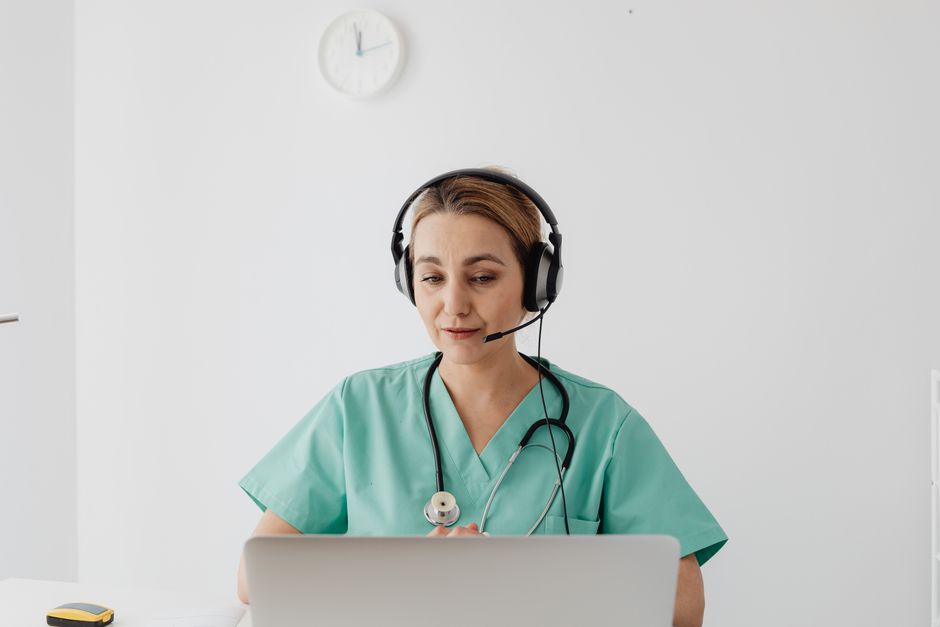
The Rise of Private Clinics: The Primary Access Route
If the NHS pathway is often closed, where do patients go? This is where the private sector has stepped in. Since the 2018 change, a network of specialized private clinics has emerged as the main access route for patients who do not qualify for, or cannot wait for, NHS treatment.
In my interviews with clinic staff, it is clear that they operate under a higher level of scrutiny than many other private practitioners. They are subject to rigorous regulatory oversight from the Care Quality Commission (CQC) in England, ensuring that the specialist prescription start is based on documented evidence, patient safety, and individualized care plans.
The Role of Digital-First Healthcare
One of the most exciting aspects of this evolution is the move toward telehealth. For many patients, traveling to a specialist clinic is physically painful, costly, or logistically impossible. Digital-first infrastructure has solved this by allowing the entire process—from consultation to prescription fulfillment—to happen remotely.
Modern private clinics utilize two key digital tools that have streamlined the patient experience:
Online Eligibility Assessments: Before spending time and money on a full consultation, patients can complete an initial digital questionnaire. This tool helps the clinic determine if your condition falls within the scope of what they treat, saving you from unnecessary appointments. Secure Medical Record Uploads: This is a game-changer. Rather than waiting for your GP to mail notes, you can often upload your Summary Care Record directly to the clinic’s secure portal. This allows the specialist to review your full medical history, including past treatments and medication failures, before you even log onto your video call.Comparison: The Traditional Path vs. The Digital Private Path
To help you better visualize the differences, I’ve broken down the two pathways in the table below:
Feature NHS Pathway Private Clinic Pathway Primary Contact GP/Consultant via referral Specialist clinic (Self-referral) Initial Evaluation Limited to specific guidelines Comprehensive eligibility assessment Documentation Internal hospital notes Secure medical record uploads Access Scope Highly restricted/narrow Broader range of conditions Wait Times Generally longer Typically very fastWhat Does the Future Hold?
As we look past the 2018 legal change, the conversation in the UK is shifting from "Is it legal?" to "How do we make it safe, standardized, and https://smoothdecorator.com/releaf-says-it-was-chosen-by-over-220000-people-is-that-believable/ accessible?" We are seeing an increase in observational data collection, which is vital for building the clinical confidence required for wider NHS adoption.
For now, if you are considering medical cannabis, the process has become far more digitized and user-friendly than it was just a few years ago. By utilizing online eligibility assessments and ensuring you have secure medical record uploads ready, you can take control of your healthcare journey. It’s important to remember that this is a medical treatment. You should always consult with a qualified, registered specialist who can review your history and ensure that any potential prescription is safe and appropriate for your specific health needs.
Final Thoughts for Patients
Navigating the UK’s medical cannabis landscape can feel overwhelming, but you are not alone. The 2018 legal change was just the beginning of a much longer transition. Today, the focus is on patient safety and the use of digital tools to bridge the gap between clinical expertise and patient need. If you feel like your current treatment plan isn't providing the relief you need, don't be afraid to research your options, speak to professionals, and advocate for your own health. The infrastructure exists—now it’s about ensuring that patients have the knowledge to use it effectively.
Disclaimer: I am a certified wellness coach, not a doctor. This blog post is for informational purposes only and does not constitute medical advice. Please consult with your GP or a qualified medical specialist regarding your personal health condition and treatment options. Always ensure you are dealing with a CQC-registered clinic when considering private medical cannabis treatment.