When buying cannabis, especially from unregulated or informal sources, a frequent question is: Is unregulated cannabis ever tested by sellers? Many sellers tout terms like "lab tested" or "quality checked," but what does that actually mean? Can you trust these claims if there’s no reliable verification or missing documentation?
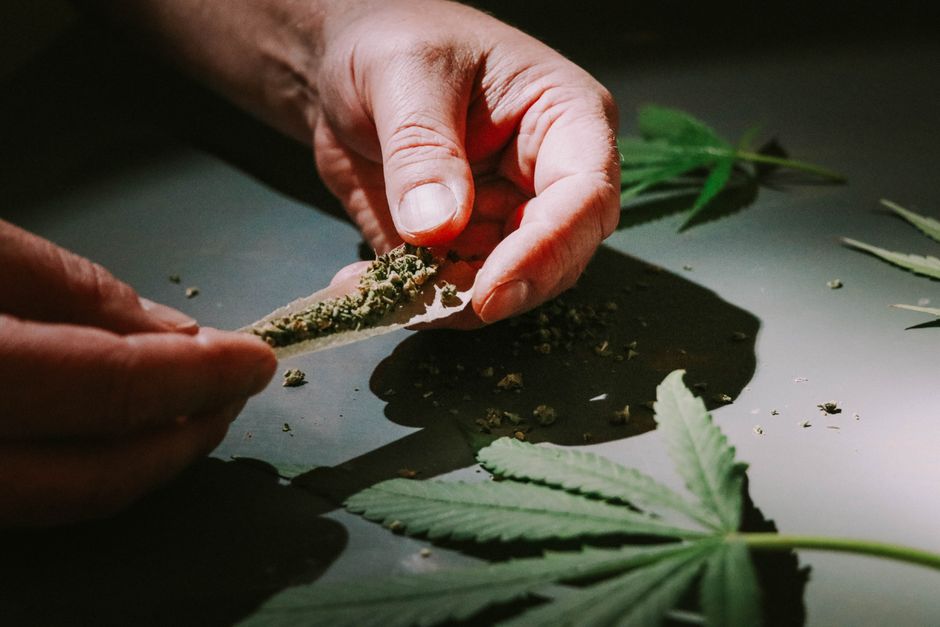
In this deep dive, we’ll distinguish regulated vs unregulated cannabis risks, explore issues with unknown potency and batch variation, highlight dangers like mould and pesticides, and discuss the role of third-party lab results and independent review tools hosted by companies such as Pillreports, Enlighten, and Releaf.
Understanding Regulated vs Unregulated Cannabis
The distinction between regulated and unregulated cannabis is critical for consumer safety and product consistency.
Regulated Cannabis
In regions where cannabis is legal and regulated, such as Canada or some US states, licensed producers must adhere to strict standards. These include:
- Mandatory third-party lab testing for potency (THC, CBD), contaminants (pesticides, microbes), and impurities Consistent batch production with traceable lot numbers Clear product labeling with verified cannabinoid profiles and safety information Regulator-enforced recall mechanisms if problems arise
This system is designed to protect consumers from unknown risks and ensure the product matches seller claims.
Unregulated Cannabis
Unregulated cannabis — often purchased via informal channels, black markets, or some online sellers without licensing — is a different story. There is typically:
- No legal obligation to test potency or contaminants No official documentation backing seller claims Substantial batch variability— potency can shift dramatically from one batch to another Higher risk of contamination, including mould, pesticides, heavy metals, or residual solvents
These https://bizzmarkblog.com/can-unregulated-cannabis-contain-other-contaminants-besides-mould/ issues increase the risk of adverse effects and undermine trust in "lab tested" claims.
Seller Claims: Lab Tested — What Does That Really Mean?
Many unregulated cannabis sellers aggressively market their products as "lab tested" in a bid to gain consumer confidence. However, a key frustration — echoed among healthcare professionals and cautious consumers — is that these claims are often unsupported by verifiable documentation.
Common Problems with Seller Claims
- No reliable verification: Sellers rarely provide accessible, detailed third-party lab reports that can be cross-checked independently. Missing or vague documentation: Occasionally, sellers may show blurred or outdated lab reports that don’t correspond to the specific batch being sold. Use of buzzwords and marketing jargon: Labels or product descriptions may include unsubstantiated phrases like “lab-tested quality” or “independently verified” without a clear source. Failing to specify test parameters: Potency testing is only one part of lab analysis. Consumers should also seek confirmation of contaminant screening (moulds, pesticides, heavy metals).
Without hard evidence, these claims should be approached with skepticism.
Unknown Potency and Batch Variation: The Hidden Danger
Even if a seller provides a lab report from a third-party, important questions remain:
- Was the report done on the actual batch you are buying, or a previous batch? How recent is the analysis, considering cannabinoid levels can degrade over time? Are the testing labs accredited and reputable?
Under informal market conditions, cannabis batches can vary wildly in potency. For medical users relying on consistent dosing, this unpredictability is dangerous. Recreational users also risk unexpected intoxication levels or lack of effect.
The Risk of Contaminants: Mould, Pesticides, and More
Unregulated cannabis may harbor a variety of contaminants due to lack of quality control measures:
- Mould and fungal spores: Especially in improperly stored or humid environments, posing respiratory risks. Pesticides and herbicides: Used by growers but banned in regulated markets due to toxic exposure risks. Heavy metals: Uptake from contaminated soil or growing media, leading to potential long-term health effects. Residual solvents: In the case of extraction-based products, poor processing can leave harmful chemicals behind.
Third-party lab testing ideally screens for these, but sellers in unregulated spaces may skip or falsify these steps.
Third-Party Lab Results and Independent Reviews: How to Spot Legit Testing
How can consumers guard against misleading "lab tested" claims? A few tools and companies specialize in cataloguing and verifying cannabis product data — bridging information gaps.
Pillreports
Pillreports aggregates lab results and user reviews, helping people cross-check products across informal markets. By offering a platform where users share batch-specific data, including independent lab test uploads, Pillreports enhances transparency and patient safety.
Enlighten
Enlighten provides in-depth cannabis education combined with accessible lab report archives. Their approach helps users decipher whether a lab report is genuine and interpret potency numbers correctly.
Releaf (releaf.co.uk)
Releaf offers tools and resources focused on product verification for UK consumers navigating newly legal but still fragmented cannabis https://smoothdecorator.com/what-does-tested-mean-on-a-cbd-label/ markets. Releaf emphasizes the importance of matched documentation and advocates for stringent lab testing transparency.

Checklist: What to Look for in Cannabis Lab Testing Documentation
Documentation Feature Why It Matters Red Flag Warning Lot or Batch Number on Report Confirms testing corresponds to the exact product batch Generic or missing batch numbers Date of Lab Report Ensures test is recent and relevant Old or undated reports Lab Accreditation Information Validates lab competency and methodology No mention of lab identity or credentials Comprehensive Testing Scope Potency plus contaminants screening for mould, pesticides, heavy metals Focus only on THC/CBD, no contaminants reported Clear Numerical Values, Not Just Ranges or Descriptors Allows objective potency comparison and dosing decisions Vague words like "high potency" with no numbersSummary: Buyer Beware — Without Reliable Lab Testing, Risks Multiply
Unregulated cannabis sellers may claim their products are "lab tested," but these statements often lack reliable verification and supporting documentation. Without transparency around batch-specific third-party lab results, potency and contaminant levels remain unknown and inconsistent.
Consumers relying on safety and efficacy should look for:
- Publicly available lab reports linked directly to the batch purchased Third-party labs with proper accreditation Independent platforms — like Pillreports, Enlighten, and Releaf — to cross-verify claims and reviews
Never accept seller claims of "lab tested" at face value. Instead, ask: What does the lab report actually say? Without proof, you risk unknown potency, dangerous contaminants, and unpredictable effects. Until unregulated markets strengthen testing and transparency standards, caution is the best policy.
```