In our modern, quantified world, we have become obsessed with data. We track our steps, our heart rate, our caloric intake, and—perhaps most insistently—our sleep. It feels logical: if we can measure our sleep, we can optimize it. We want that "perfect" eight-hour block of restorative rest. But for millions of people, the effort to achieve perfect sleep has created a new, modern paradox. Instead of resting better, we are lying awake, staring at our wrists or our nightstands, wondering why our app says we aren't "recovering" enough.
If you find yourself waking up and immediately checking a sleep-tracking app to see if you had a "good" night, you aren't alone. In fact, you might be experiencing a phenomenon known as orthosomnia—a term coined to describe the unhealthy preoccupation with achieving perfect sleep. As a writer who has spent years covering wellness, I have seen firsthand how these tools, intended to help us, can inadvertently sabotage the very thing they aim to improve.
What is Orthosomnia and Sleep Perfectionism?
Sleep perfectionism is the drive to attain an idealized version of rest. It is the belief that if you just get the right data, the right temperature, and the right supplements, your sleep will be flawless. However, sleep is not a machine that can be tuned; it is a biological process that thrives on relaxation, not pressure.
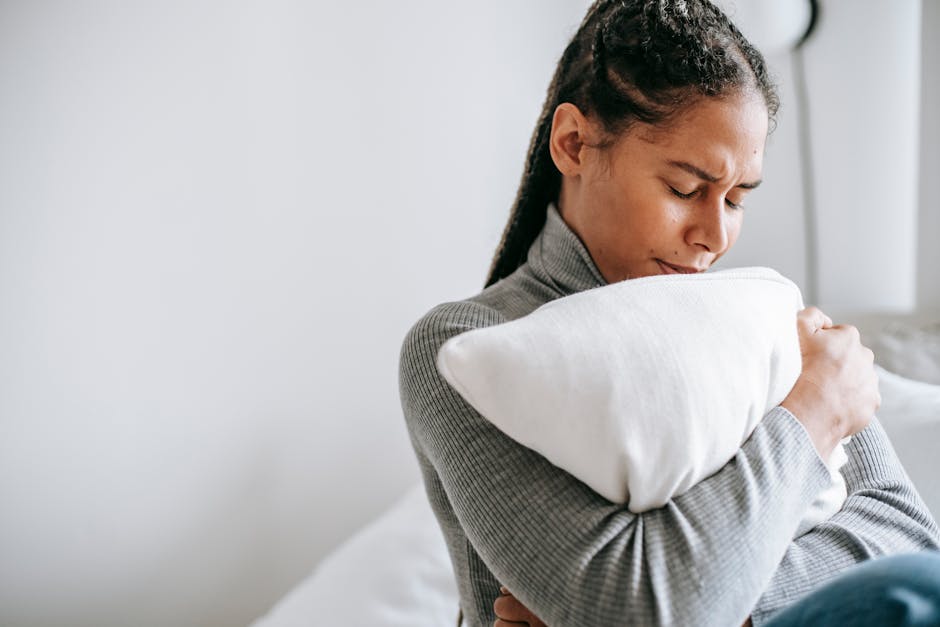
Orthosomnia occurs when this desire for perfection becomes a source of genuine distress. The data provided by sleep trackers often lacks nuance. A watch might tell you that you had "poor deep sleep," leaving you feeling anxious and tired throughout the day, even if you actually felt relatively alert before you checked the app. The device has effectively created a placebo effect—a negative one—where your perceived quality of life is dictated by a set of numbers on a screen.
The "Always-On" Trap: Remote Work and Blurred Boundaries
To understand why we are so tethered to our trackers, we have to look at the environment in which we live. For many of us, the line between professional life and personal space has evaporated. Since the rise of remote work, our homes have doubled as our offices. When you work from the same space where you try to relax, it becomes harder to signal to your brain that the workday is done.
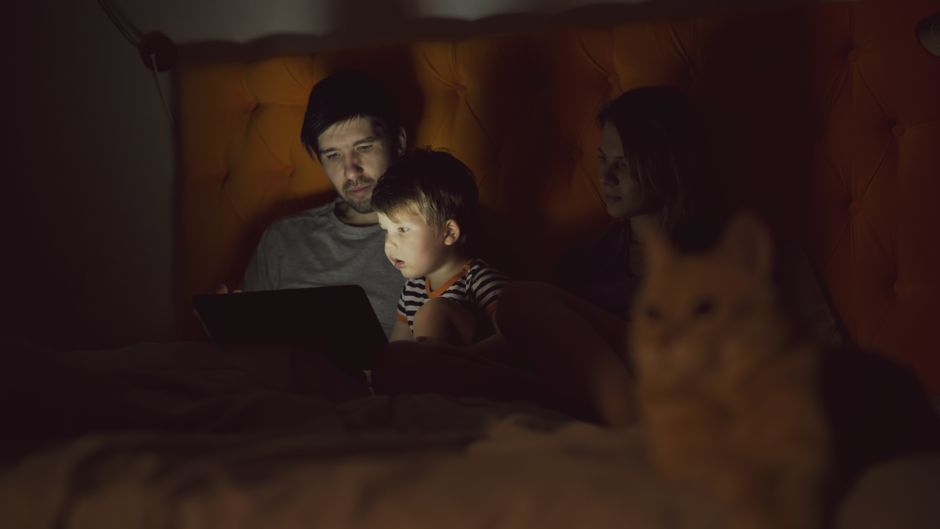
This is where the habit of checking emails late at night becomes a gateway to sleep issues. We check our inbox, feel a spike of cortisol, and then check our sleep app to see if our heart rate variability is recovering. The tracker becomes just another digital task, blurring the boundaries between work, rest, and technological monitoring. This persistent constant digital stimulation keeps our brains in an active, cognitive state when they should be drifting into a passive, restorative one.
The Science of Cognitive Arousal
There is a physiological reason why your sleep tracker might be keeping you awake. Sleep requires a state of "down-regulation." Your nervous system needs to transition from the sympathetic state (fight or flight) to the parasympathetic state (rest and digest).
When you use a sleep-tracking app before bed, you are inviting two major enemies of sleep into your bedroom:
- Blue Light: Most trackers and phones emit blue light, which suppresses melatonin, the hormone that signals to your body that it is time to sleep. Cognitive Arousal: By interacting with an app, you are engaging in analytical thought. You are monitoring, adjusting, and worrying about the "data." Your brain cannot distinguish between the stress of a looming deadline and the stress of a "low sleep score." Both trigger the same alert state.
If you are already prone to sleep tracker anxiety, the ritual of checking your device becomes a self-fulfilling prophecy. You worry about sleep, which keeps you awake, which lowers your sleep score, which causes more worry the next night.
When Data Becomes a Burden: Mental Health and Support
It is important to recognize when your relationship with sleep has moved from "healthy monitoring" to "anxious fixation." Organizations like Mind, the mental health charity, often highlight how digital habits can exacerbate feelings of burnout and anxiety. When you feel like you are failing at the most basic human function—sleeping—it can take a significant toll on your mental health.
In some cases, chronic insomnia can be severe enough that individuals seek out clinical assistance. Clinics such as Releaf, the UK’s largest medical cannabis clinic, report seeing patients who have struggled with sleep quality for years. Often, the patient’s journey to the clinic involves a history of trying everything—from high-tech wearables to supplements—only to find that the sheer effort of trying to sleep was the biggest barrier to success. Sometimes, the most helpful clinical step is a total "digital detox" from these tracking devices to allow the nervous system to reset.
The Relationship Between Tracking and Stress
The following table outlines how to differentiate between using tracking tools as a curious observer versus being caught in the trap of englishleaflet.com perfectionism.
Feature Healthy Tracking Unhealthy Fixation (Orthosomnia) Reaction to Data Uses data to spot general long-term patterns. Fixates on daily scores and feels "failed" by low numbers. Bedtime Ritual Device is set once; phone is put away. Constantly checking app, adjusting settings, refreshing emails. Morning Mindset Feels refreshed/tired based on physical sensation. Feels refreshed/tired based on what the app says. Self-Perception Acknowledges sleep varies day to day. Feels a sense of urgency to "fix" sleep immediately.How to Reclaim Your Rest
If you suspect that your sleep tracker is doing more harm than good, the most radical and effective act you can take is to stop using it. Here is a low-pressure plan to break the cycle:
Conclusion
Sleep is meant to be a natural process, not a performance metric. We live in an age of incredible technology, and while wearables can be fascinating tools for some, they are not a prerequisite for a healthy life. If your sleep tracker is making you anxious, or if you find yourself obsessing over the numbers more than you enjoy your waking life, it is time to set the device aside.
Remember, the goal of sleep is to feel well enough to live your life. If you are struggling with chronic insomnia that goes beyond simple tech anxiety, don't be afraid to reach out to resources like Mind for support or discuss your options with medical professionals like those at Releaf. But for most of us, the path to a better night starts with a simple choice: turning off the screen, closing our eyes, and finally letting go of the data.