If you have spent any time in a clinic waiting room—or, more likely, spent forty-five minutes on hold trying to get an appointment—you know the UK health landscape is changing. But let’s move past the industry buzzwords. We aren’t talking about “revolutionary” technology; we are talking about digital tools that either make your life easier or add an extra layer of frustration to your day.
Over the last nine years, I have watched health providers attempt to bridge the gap between legacy systems and patient expectations. Today, digital health is about three things: speed, flexibility, and transparency. If a tool doesn’t offer those, it’s just digital clutter.
The Shift in Patient Expectations
Ten years ago, patients expected to wait for a letter in the post. Today, patients expect the same level of service from their healthcare provider as they do from their banking app. They want to know where they stand in a queue, when their results are ready, and how they can reach their clinician without playing telephone tag.
This is not about replacing the human element of care. It is about removing the administrative friction that prevents that care from happening. When a patient can manage their own admin, the clinic staff can focus on the patient.
1. Online Booking: Moving Beyond the 8:00 AM Phone Scramble
The most common pain point in primary care has historically been the “8:00 AM rush.” Trying to get through to a receptionist at a GP (General Practitioner) surgery is a universal source of stress. Online booking is the most practical solution currently being deployed to solve this.
An effective online booking system allows patients to view available slots, choose a time that fits their schedule, and book without speaking to a human. This isn't just convenient for the patient; it significantly reduces the administrative burden on reception staff, who are often overwhelmed by inbound calls.

What makes an online booking system work?
- Real-time availability: If the system shows a slot, it must be bookable. Nothing frustrates a patient more than a calendar that lies. Categorized appointment types: Not all appointments are equal. A medication review requires a different duration than a blood pressure check. Automated reminders: SMS (Short Message Service) or email confirmations reduce "did not attend" rates by ensuring the patient has the details on their phone.
From a patient perspective, the ability to book at 11:00 PM while sitting on the sofa is a massive upgrade over waiting for the doors to open in the morning.
2. Virtual Consultations: A Balanced Option
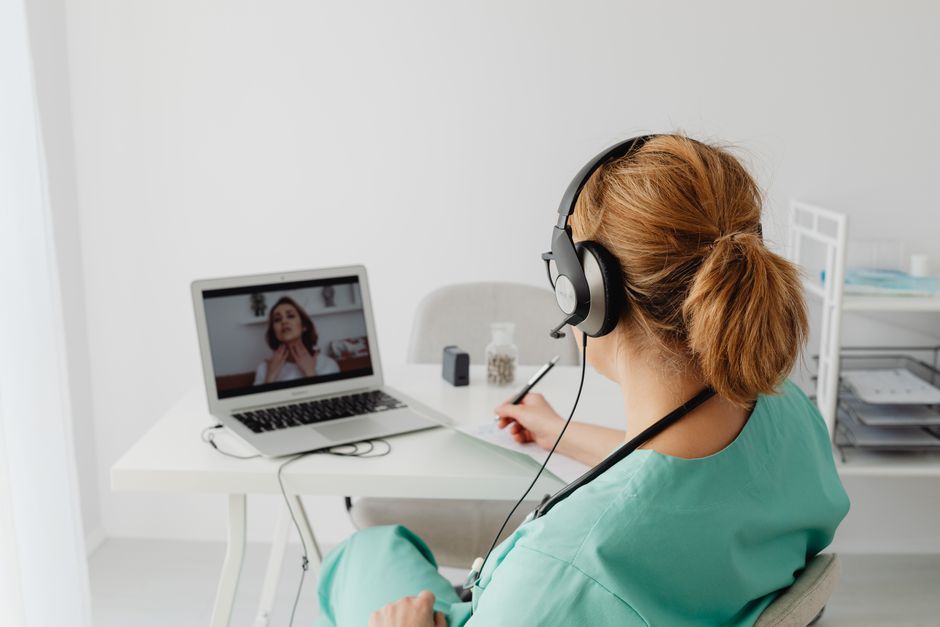
Since the pandemic, virtual consultations—whether via video or secure phone call—have moved from an emergency measure to secure patient messaging a standard operational choice. But we need to be honest about them: they aren't a panacea.
A virtual consultation works brilliantly for routine follow-ups, mental health check-ins, or triage. They fail when a physical examination is required or when the patient lacks the digital literacy to navigate the platform. The "best practice" clinics I have seen are those that use virtual consults as a *triaging* tool, not a blanket replacement for in-person care.
The Reality Check: Does it work?
For a patient, a virtual consultation is only as good as the technology behind it. If they have to download a specialized app, create a new account, and troubleshoot their microphone for fifteen minutes, the barrier to care has become higher, not lower. The most successful clinics use browser-based platforms that require no installation—just a secure link sent to the patient’s device.
3. Patient Portals and Centralized Dashboards
The patient portal is the heart of modern digital health. It serves as a secure gateway to an individual’s Electronic Health Record (EHR). When done correctly, it puts the patient in the driver’s seat of their own health data.
Instead of calling a clinic to ask, "Were my blood test results normal?", a patient logs into their portal to view the clinical note. This creates transparency and trust.
Key features of a functional patient portal:
Secure messaging: A way to ask non-urgent questions without clogging up the phone lines. Document access: Viewing referral letters, test results, and clinical summaries. Prescription management: Requesting repeat medications directly through the interface, which then feeds into the pharmacy network.However, the danger here is "information overload." Simply dumping raw lab data onto a screen without context can alarm patients. The best portals include a clear, plain-English summary from the clinician, which turns data into actionable information.
Comparison of Digital Health Tools
Patients interact with these services in different ways. The following table summarizes how these tools compare in terms of effort and utility.
Service Primary Benefit Patient Effort Level Best Use Case Online Booking Eliminates phone queues Low Routine follow-ups, screenings Virtual Consultations Reduces travel/time Medium Mental health, triage, follow-ups Patient Portals Empowers data access Medium Managing chronic conditions Automated Messaging Improves adherence Very Low Reminders, public health noticesWhy "Future-Proofing" is Often a Myth
I often hear vendors talk about "the future of healthcare" using AI (Artificial Intelligence) to diagnose patients or using wearables to monitor vitals in real-time. While these things are technically possible, they aren't the reality for the average patient next week.
What patients actually need right now are systems that talk to each other. Interoperability—the ability for a pharmacy system, a GP system, and a hospital system to share data—is where the real value lies. If a patient has to input their address and medical history three separate times because the digital systems don't sync, then the "digital transformation" has failed.
The Verdict: Simple is Better
Digital health should be boring. When it works perfectly, you barely notice it. You book an appointment, you get a reminder, you have a successful conversation with your doctor, and you check your results later that evening without ever needing to sit on hold.
If your clinic or healthcare provider is implementing new tools, ask yourself: Does this save me time? Does it make communication clearer? If the answer is no, then the technology is merely an obstacle. The best digital health services are the ones that prioritize the patient's experience over the complexity of the software.
Ultimately, digital tools are simply a different way to access a human connection. As long as we keep the human at the center, these tools can provide the speed and flexibility that modern life demands.