When navigating private health appointments or treatments, especially for complex, long-term conditions, many families find themselves puzzled by how costs are presented. Clinics often emphasize the monthly charge, but for patients and carers budgeting for disabilities or chronic illnesses, the annual cost tells the real story. This discrepancy isn't just a quirk of marketing—it affects families, care planning, and decisions about private versus NHS pathways.
Understanding the Context: Autism and Co-Occurring Conditions
A frequent source of confusion comes from the way clinics discuss conditions like autism. Autism itself is a neurodevelopmental condition characterized primarily by social communication differences and restricted or repetitive behaviors. Importantly, autism is not classified as a medical illness requiring treatment in the way epilepsy or diabetes might be.
Yet, people with autism often have co-occurring conditions such as anxiety, ADHD, epilepsy, or sleep disorders that require clinical attention. When clinics discuss treatments and their costs, it's crucial to distinguish whether a medicine or intervention is claiming to "treat autism" itself—something no established guidelines or professional bodies advocate—or to address these secondary conditions.Why This Matters Vis-à-Vis Costs
- If a cost is presented as linked to "autism treatment," but the intervention targets co-occurring epilepsy or anxiety, families need clarity on what exactly they're paying for. NICE (National Institute for Health and Care Excellence) produces clinical guidelines clarifying which treatments are recommended for which conditions, and currently there is no endorsed medicine or intervention specifically approved for autism itself that should be billed as such. Unfortunately, some providers might bundle costs under broad claims about autism, without dissecting the dominant recurring medicine cost for concretely indicated conditions.
NICE Guidance: What It Does and Does Not Recommend
The NICE guidance library is the gold standard in the UK for evidence-based clinical recommendations. The National Institute for Health and Care Excellence meticulously assesses the effectiveness, safety, and cost-effectiveness of treatments before endorsing them for routine use in the NHS.
Importantly, NICE does not support unproven or speculative treatments for autism. Instead, its guidance focuses on management strategies for associated conditions (e.g., medication for ADHD symptoms, managing epilepsy).For example, in the case of epilepsy, NICE's technology appraisals specify narrow indications for some of the more expensive antiepileptic medicines. Licensed drugs that meet NICE recommendations include those approved for rare syndromes like Dravet syndrome and Lennox-Gastaut syndrome. These syndromes are severe, treatment-resistant epilepsy subtypes occurring in some children with or without underlying neurodevelopmental disorders, including autism.
How Does This Relate to Clinic Pricing and Cost Communication?
When a clinic charges monthly fees for "epilepsy medication management," those costs might seem manageable on a monthly basis but can become financially burdensome when extended over years or decades— what is known as an indefinite private payment. Breaking down the true dominant recurring medicine cost and the associated monitoring is essential for families planning budgets.
Navigating Narrow Epilepsy Indications: Dravet and Lennox-Gastaut Syndromes
Dravet and Lennox-Gastaut syndromes represent narrow but important epilepsy indications often discussed in NHS commissioning and private clinic settings. Some medications, such as stiripentol, cannabidiol-based treatments, or fenfluramine, have NICE appraisal for these conditions but carry substantial costs.
It’s critical to realize that:
These treatments are not recommended for all people with epilepsy or autism but specifically for these syndromes. Annual medicine costs can be tens of thousands of pounds—far outweighing the monthly breakdown often quoted in clinic brochures. Families must plan for these sustained, often lifelong, expenses including clinic follow-ups, blood tests, and specialist review.Evidence Limits, Placebo Effects, and the Risk of Overselling
One frustrating aspect of the private clinic landscape is the reliance on treatments with limited robust evidence. The General Medical Council (GMC) mandates that doctors communicate honestly with patients about the evidence base for interventions.
Ever notice how families deserve a clear checklist to guide their decisions:

- Is the medicine recommended by NICE guidance for my condition? Is there a clear, evidence-based clinical indication for this treatment? What is the dominant recurring medicine cost annually, not just monthly? Are monitoring and side-effect management included in the quoted price? What is the expectation for indefinite private payment, and can I budget for it?
Budgeting for Disability Costs: Seeing the Full Picture
For families supporting someone with autism and/or co-occurring conditions like epilepsy, budgeting requires seeing past the appealing monthly rates and understanding the annual cost implications and likely trajectory over years.
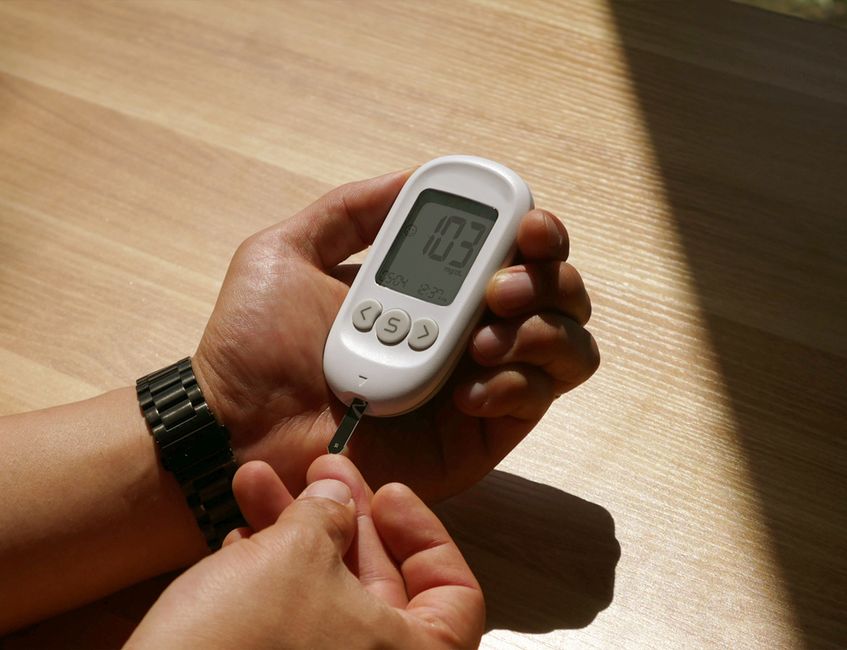
This is similar to financial planning for chronic illnesses such as diabetes, where medication, devices, unlicensed cannabis medicines appointments, and complications must all be factored in continuously. Ignoring the yearly financial impact can lead to unintended strain, interrupted treatments, or difficult compromises impacting the individual's wellbeing.A Practical Comparison Table
Medication / Service Typical Monthly Cost Quoted Estimated Annual Cost NICE Guidance Status Notes Cannabidiol (CBD) for Dravet Syndrome £800 - £1,200 £9,600 - £14,400 Recommended for specific syndromes only Requires specialist prescription and monitoring Unlicensed "Autism-Calming" Supplement £50 - £150 £600 - £1,800 Not recommended by NICE No robust evidence; placebo effect suspected Anti-epileptic medication (e.g., Stiripentol) £600 - £900 £7,200 - £10,800 Recommended for Dravet Syndrome Often lifelong; includes side-effect monitoring Private Clinic Monthly Management Fee £200 - £400 £2,400 - £4,800 Varies by provider Usually excludes medication costsSummary: Don’t Be Fooled by Monthly Figures Alone
To sum up the key points:
- Clinics often highlight monthly costs as these sound more affordable and easier to digest but hide the bigger annual financial burden behind indefinite private treatment. Autism itself is not a condition that NICE or GMC recommend medicine for; costs should be linked transparently to treating clearly defined co-occurring conditions. NICE guidance is a dependable resource to confirm what treatments are recommended, particularly for high-cost medicines used in rare epilepsy syndromes. Without rigorous evidence, marginal or placebo-effect-related benefits do not justify high recurring costs—families need to be cautious and demand clarity. Budgeting for disability means planning for the long haul—annual costs of dominant recurring medicines and ongoing clinical care must be part of that plan.
Before committing to any private clinic or treatment plan, always ask for Visit this site a transparent breakdown of the total annual expected cost, references to NICE guidance if applicable, and an explanation of what condition specifically is being managed.
For up-to-date NICE guidance, evidence summaries, and detailed technology appraisals, visit the NICE guidance library. And remember, doctors registered with the GMC have a duty to provide clear, honest information about treatment benefits and limitations.
In the domain of autism and its co-occurring conditions, clarity and transparency around cost are as crucial as clinical efficacy. Families deserve no less.
```